







Search Results for: pour-over coffee bitterness

Analyzing the Causes of Coffee Bitterness: How to Distinguish Over-Extraction from Over-Roasting and Precisely Adjust Pour-Over Parameters
Many coffee enthusiasts, when they encounter bitterness during pour-over brewing, instinctively cut off the tail end of the extraction—but is bitterness really only coming from the tail end? In fact, the sources of coffee's bitterness are complex: they are related both to the order in which compounds dissolve during extraction and to the degree of roast. Front Street Coffee will guide you through a deeper understanding of the true causes of coffee bitterness, teach you to distinguish between the bitterness caused by over-extraction and that caused by too dark a roast, and share how to avoid unnecessary bitterness by adjusting pour-over parameters such as grind size, water temperature, and time, so that every cup of coffee comes closer to your ideal flavor. [more…]

Coffee Bean Basics for Beginners: A Guide to Single-Origin Pour-Over Varieties and Four Recommendations That Are Neither Sour Nor Bitter
When first getting into coffee, most people only perceive a single word: "bitter." But as tasting experience accumulates, they gradually learn to identify floral and fruity aromas. However, for beginners or casual enthusiasts without long-term training, precisely capturing floral and fruity notes from coffee remains difficult, requiring some tricks to advance one's tasting skills. Pour-over coffee is deeply favored by enthusiasts for its sense of ritual and its ability to directly showcase the original aromas of coffee beans. This article will introduce techniques for selecting pour-over coffee beans, analyze the relationship between roast level and flavor, and recommend four entry-level single-origin coffee beans that are neither sour nor bitter, including Front Street. Brazil Queen's Estate Yellow Bourbon, Front Street. Costa Rica Tarrazú, Front Street. Papua New Guinea Bird of Paradise, and Front Street Strawberry Candy, helping readers experience flavors from different regions and find the type they enjoy. [more…]
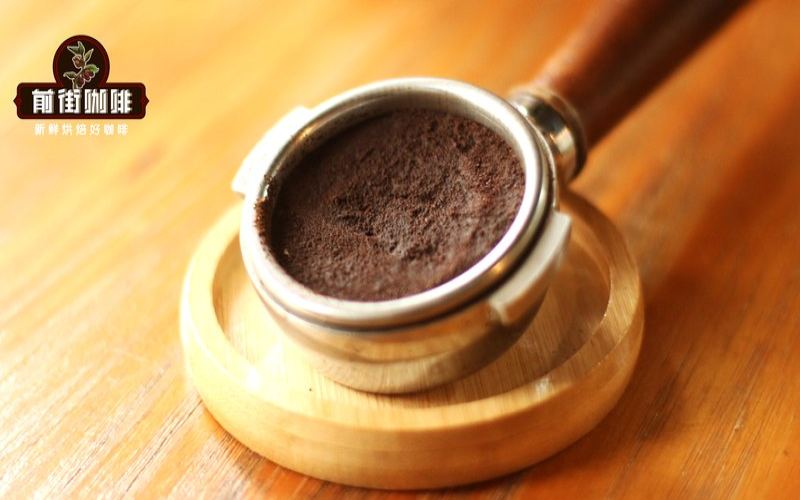
Recommendations for Single-Origin Pour-Over Coffee Beans with Mild Acidity and Bitterness: Balancing Budget and Drinking Frequency
To talk about single-origin pour-over coffee beans with a mild balance of acidity and bitterness, we have to start with the actual taste in the cup. When buying beans for everyday use, you need to consider how quickly you'll drink them, how much to buy at a time, and whether your home mainly makes black coffee or milk coffee. The roast level of the beans determines the basic flavor, the origin and processing method bring differences in aroma, and the equipment you use will change the strength—so when choosing beans, [more…]
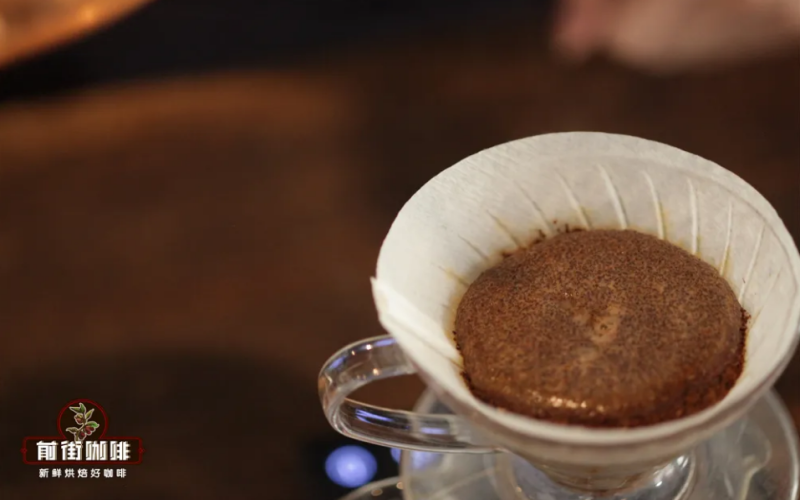
Analysis of Flavor Differences Between Hot and Cold Pour-Over Coffee and the Optimal Drinking Temperature
A cup of pour-over coffee reveals a completely different flavor perception at different temperatures. When hot, bitterness is suppressed and the sour-sweet notes stand out; at the medium-temperature stage, sweetness and the sweet aftertaste are at their fullest; once cooled, bitterness and acidity rise together while sweetness fades. Through comparative experiments, Front Street Coffee found that the reason hot pour-over has a more complete flavor comes down to ample water and full extraction. Iced pour-over, by contrast, requires less water and a finer grind to cool quickly, yet this easily brings out bitter, harsh off-notes from too many fines. Starting from parameter differences, experimental data, and tasting feedback, this article systematically explains why, if you want flavor, you should drink hot pour-over. [more…]
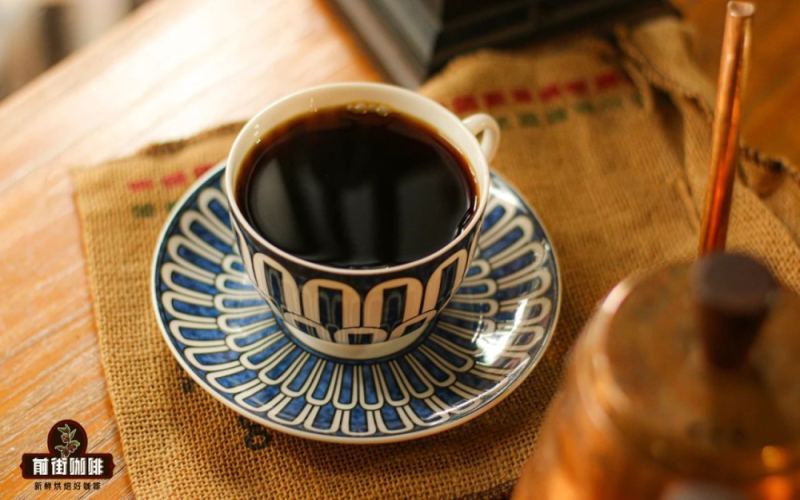
Analysis of the Causes of Burnt, Bitter, and Astringent Flavors in Pour-Over Coffee and Corresponding Adjustment Methods
Many coffee enthusiasts who brew pour-over at home often run into the problem of coffee tasting bitter or even showing burnt, astringent notes. This bitterness may come from the roast profile of the beans themselves, and it can also be closely tied to how long the beans have been stored, the grind size, the proportion of fines, and the brewing water temperature. Drawing on the hands-on experience of Front Street Coffee, this article analyzes four common causes of bitterness one by one and offers concrete, actionable adjustments—including how to choose beans based on flavor descriptions, how to judge the optimal flavor window, how to calibrate grind size, and how to troubleshoot water temperature issues—to help you pinpoint the problem more accurately and brew a smoother pour-over coffee. [more…]
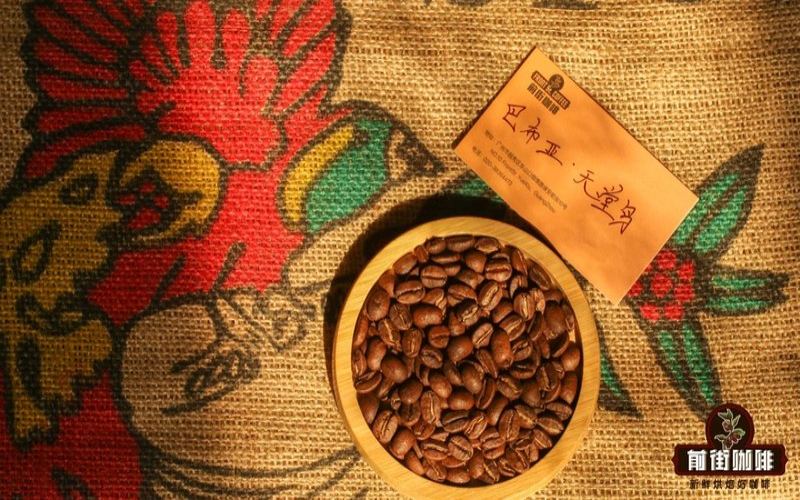
Choosing single-origin pour-over beans that are neither sour nor bitter based on roast level
If you want a single-origin pour-over with soft acidity and a bitterness that doesn't steal the show, roast level is a very practical place to start. A light roast preserves floral and fruity notes, but it may come across as bright; a medium roast more easily brings out sweetness and roundness; a dark roast offers cocoa, nuts, and a fuller body. The key is not to chase the absence of acidity or bitterness, but to let both sensations land in [more…]
Where Does the Bitterness in Pour-Over Coffee Come From? A Detailed Guide to Four Common Causes and How to Adjust
When brewing pour-over coffee, the appearance of bitterness is a problem many coffee lovers frequently encounter. The source of bitterness is not singular—it may come from the roasting profile of the coffee beans themselves, or it may be closely related to how long the beans have been stored, the coarseness of the grind, and the brewing water temperature. This article analyzes the causes of bitterness one by one from four dimensions and provides specific adjustment plans to help you brew a smooth cup of pour-over coffee at home. It also offers references for bean selection based on different flavor preferences and retains several recommended bean lists from Front Street Coffee for readers to choose from as needed. [more…]
Recommendations for Light-Roast Coffee Beans Suitable for Pour-Over: A Guide to Variety Flavor Characteristics and Beginner Brewing Choices
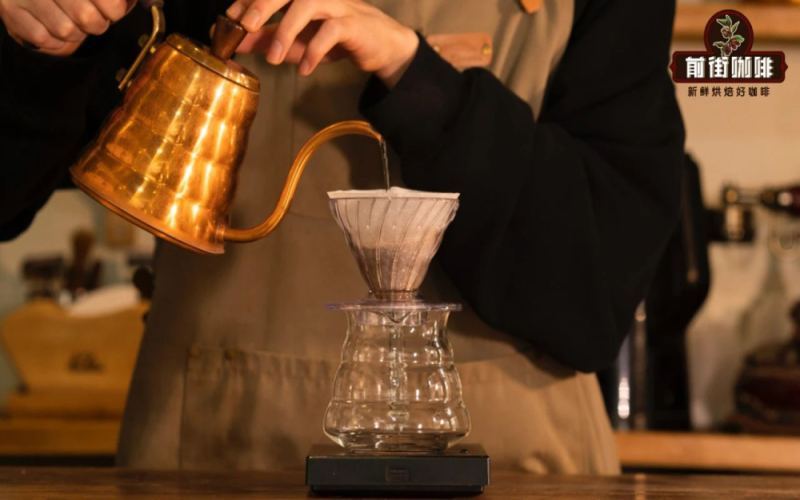
Among the many coffee brewing methods, pour-over has become the daily go-to for many coffee lovers thanks to its unique sense of ritual and hands-on enjoyment. The coffee liquid slowly dripping through the filter paper seems to condense the taste of time, drop by drop, into the cup. Pour-over conveys a slow-paced attitude toward life, letting people become focused and quiet during the brewing process. However, to brew a cup of pour-over coffee at home that is neither bitter nor astringent, with a soft mouthfeel, choosing the right coffee beans is crucial. During roasting, the flavor of green coffee beans gradually shifts from acidity to bitterness over time; the lighter the roast, the less bitterness and the more elegant the aroma. Therefore, prioritizing light-roast coffee beans makes it easier to extract delicate, soft flavors. Below, we introduce several light-roast coffee beans suitable for pour-over. [more…]
Not Sour, Not Bitter: What Roast Level Determines in Pour-Over Beans
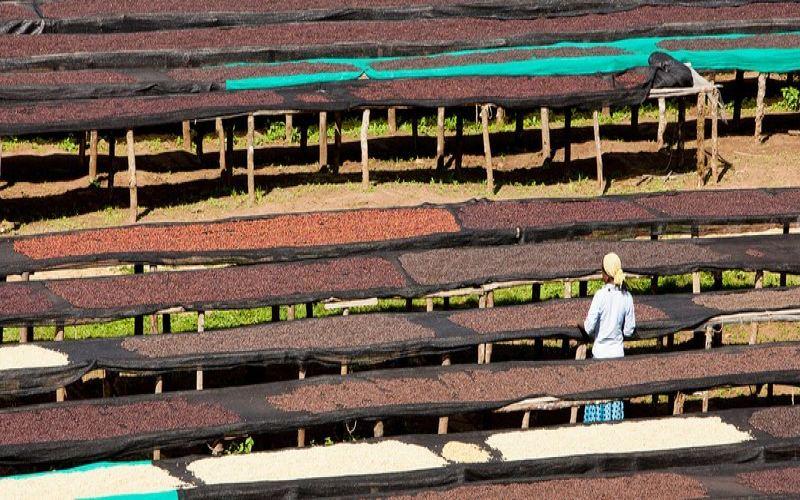
If you want your pour-over coffee to taste mellow, roast level is a very practical entry point to observe. It affects the brightness of acidity, the way bitterness appears, the thickness of sweetness, and the direction of aroma. The so-called "neither sour nor bitter" does not mean weakening all the flavors, but rather finding the position that suits you best among refreshing, sweet, and full-bodied. [more…]

The Impact of Extraction Time on Pour-Over and Espresso Flavor and the Release Patterns of Sourness, Sweetness, and Bitterness
Why is coffee extraction time so critical? It all comes down to the soluble flavor compounds that make up just 30% of a coffee bean. These compounds fall into three categories—acids, sugars, and bitter substances—each with a different dissolution rate and peaking at different times. If extraction is too short, the coffee tastes thin and sharply acidic, lacking the support of sweetness and bitterness; if it goes on too long, bitterness overwhelms everything else. Therefore, ending extraction after sweetness has been released in abundance but before bitterness floods in is the key to a balanced cup. For pour-over coffee, using 15 grams of beans as an example, the time is typically kept between 1 minute 50 seconds and 2 minutes 25 seconds. Additionally, acidity, sweetness, and bitterness are not released sequentially but simultaneously—only their peak moments differ. This is a common misconception. [more…]
Black Coffee and Ink Are Not the Same Thing: What Is the Difference Between Pour-Over Coffee and Black Coffee?
Many people confuse black coffee with ink, but in reality the two have nothing to do with each other. Black coffee refers to pure coffee with no additions whatsoever, boasting a full spectrum of acidity, sweetness, body, bitterness, and aroma, with a raw and profound taste. Pour-over coffee is a type of black coffee, extracted by a barista using pour-over equipment, and its flavor is mainly determined by the coffee bean variety, while the brewing equipment and technique also have some influence. Unlike espresso, which is bitter, aromatic, and rich in oils, pour-over coffee tends to have bright acidity, delicate floral notes, very low bitterness, and a long finish. To brew a good cup of pour-over, details such as grind size, water temperature, and coffee-to-water ratio all need careful attention. As a coffee specialty shop, Front Street Coffee is happy to share coffee knowledge and holds three low-discount events every month, hoping to let more people enjoy good coffee at affordable prices. [more…]

Pour-Over Coffee Beginner's Guide: Extraction Principles, Coffee-to-Water Ratio, and Key Points of the Three-Pour Technique
Many people think coffee is inherently bitter, but in reality, bitterness often comes from improper extraction. This article starts from the underlying logic of coffee extraction, introduces the origins and basic process of pour-over coffee, and around the four variables of coffee-to-water ratio, grind size, water temperature control, and extraction time, provides the three-stage pouring method recommended by Front Street Coffee along with practical parameters for a 1:15 coffee-to-water ratio. Whether you are a beginner just getting into pour-over or a veteran looking to achieve consistent results, you can find a reproducible brewing approach here. [more…]

Pour-over coffee tutorial | What common pitfalls do coffee beginners easily fall into when self-learning pour-over coffee? How can coffee novices avoid mistakes in pour-over coffee brewing?
With its extremely high fault tolerance and outstanding flavor performance, pour-over coffee has become one of the top extraction methods after the rise of specialty coffee. At the same time, because it is simple to operate and has a low barrier to entry, many friends have bought their own pour-over equipment and started teaching themselves how to make pour-over coffee at home. Logically speaking, self-learning pour-over coffee [more…]
Who is light-roast floral coffee suitable for? A complete guide to bagged pour-over floral flavor beans
Many people first encounter coffee as a way to get caffeine for alertness, and their understanding of its flavor mostly stays at the level of strength and bitterness or acidity. However, the world of specialty coffee is far broader: African origins often bring bright citrus and berry acidity, Asian beans may show spice and herbal notes, Central and South American beans are mostly nutty and cocoa-like, and island coffees have a chocolate-like sweetness. In overturning the stereotype that "coffee equals bitter," floral- and fruity-style coffee beans have played a key role. These beans are usually given a light, medium-light, or medium roast, with a shorter time in the roaster than traditional dark roasts, greatly reducing caramelization reactions so that bitterness does not become too heavy while preserving precious floral and fruit notes. This article will sort out the consumer groups suited to this type of coffee and review eight bagged pour-over floral-flavor beans one by one, for both advanced enthusiasts and beginners just starting out. [more…]
Exploring Floral and Fruity Notes Beyond Coffee Bitterness: A Beginner's Guide to Avoiding Pitfalls When Buying Single-Origin Beans for Pour-Over, with 8 Front Street Coffee Recommendations
Many people who are new to coffee often have their first impression of it reduced to a single word: "bitter." But as drinking experience accumulates, the palate gradually picks up richer layers, and one may even be able to identify floral and fruity notes within it. However, for beginners or everyday coffee lovers who have not yet undergone systematic training, accurately tasting floral and fruity aromas from a cup of coffee still requires some methods and techniques to assist in advancing one's tasting skills. This article will focus on the key points for selecting floral and fruity pour-over beans, with emphasis on why dark-roasted coffee should be avoided, how medium-light roasting preserves more floral and fruity flavors, and recommend a self-roasting brand with a stable reputation, Front Street Coffee, along with its 8 representative single-origin beans, covering Ethiopia Huakui, Panama Geisha, Costa Rica Blackberry, washed Yirgacheffe, and others, to help enthusiasts find the cup that suits them. [more…]

Balanced Coffee Beans | Which Single-Origin Beans Make Pour-Over Black Coffee Without Bitterness or Astringency? Recommended Easy-Drinking, Low-Acidity Medium-Roast Pour-Over Coffee Beans Every Beginner Must Buy
In coffee cupping, there is a scoring category called "Balance," but what it evaluates is not merely the harmony of acidity, sweetness, and bitterness! Rather, it scores the coordination among the coffee's acidity, sweetness, body, and aftertaste. Balance can be said to play the role of coordinator. [more…]
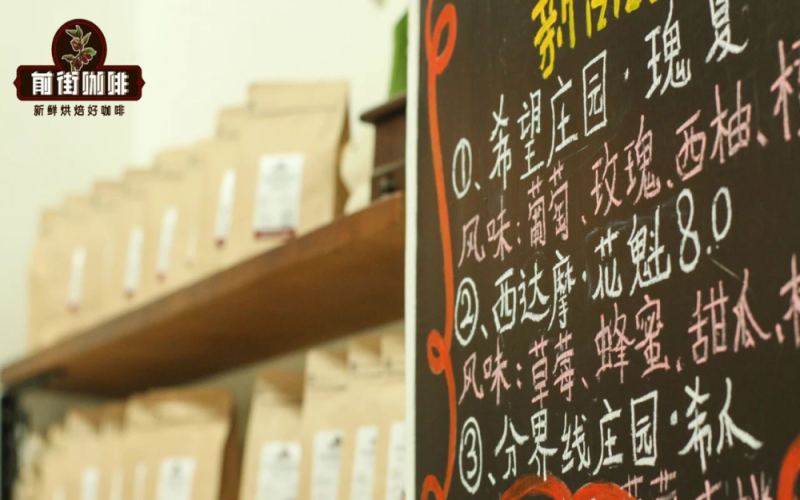
Analyzing the Causes of Bitterness in Pour-Over Coffee: A Comprehensive Discussion from Bean Variety and Roasting to Extraction Parameters
The bitter taste of pour-over coffee often leaves enthusiasts puzzled—is it a problem with the beans or an error in the brewing method? This article will systematically analyze the root causes of bitterness in pour-over coffee from multiple dimensions, including coffee bean varieties, roast level, storage time, and extraction parameters. At the same time, we will also share the specific parameters used by Front Street Coffee when brewing a light-roasted washed Yirgacheffe, to help everyone more intuitively understand how to avoid the bitterness caused by over-extraction, and thereby brew a balanced, smooth, and enjoyable cup of coffee. [more…]

Don't like acidity or bitterness? These four Front Street Coffee pour-over beans are balanced, mellow, and easy to brew
In today's world of increasingly diverse coffee flavors, some people are obsessed with light-roasted beans with bright fruity acidity, while others prefer dark-roasted beans with a rich, sweet aftertaste. But there are still plenty of enthusiasts who just want a cup of coffee that is neither sour nor bitter—balanced and easy to drink. Front Street Coffee has selected four pour-over coffee beans from its extensive bean lineup that suit this kind of preference, covering origins such as Brazil, Costa Rica, and Papua New Guinea. All are medium roasts, brewing-friendly, with flavors dominated by nuts, chocolate, caramel, and cream, balancing sweetness and a sweet aftertaste. Whether you are a beginner just getting into pour-over or a seasoned connoisseur looking for an everyday staple, you can find that cup that is neither sour nor bitter, rich and easy to drink. [more…]
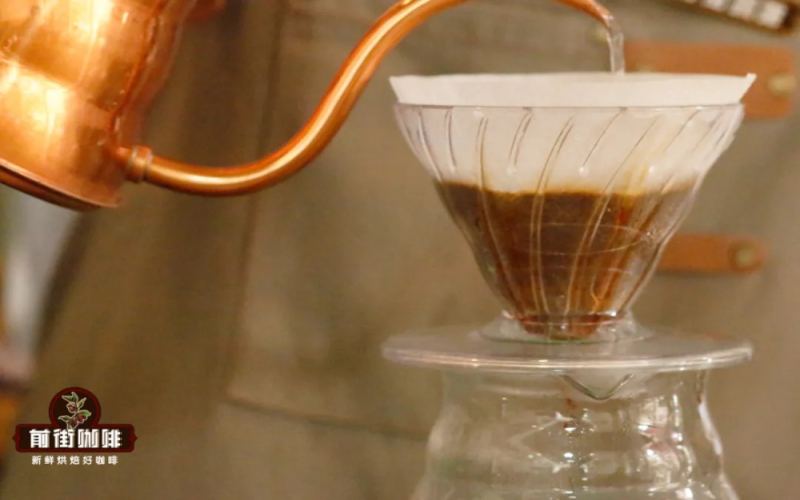
How to Choose Non-Bitter Coffee Beans for Pour-Over and Espresso? Light vs. Medium Roast Flavor Differences and Front Street Coffee Bean Recommendations
To enjoy a smooth cup of coffee without bitterness, the key lies in understanding the relationship between extraction principles and roast level. Soluble compounds in coffee dissolve into hot water, with fruity acidity emerging first, sweetness following, and bitterness last. Light-roasted beans retain more chlorogenic acid and small-molecule compounds, with a low degree of caramelization and minimal bitterness generation, making them ideal for highlighting floral notes and citrus or berry qualities. For pour-over beginners, light to medium roasts are the best starting point—for example, Front Street Coffee's washed Gudingding and Front Street Coffee's natural Huakui. The former has bright acidity and a delicate finish, while the latter offers full fruity aroma and a rich mouthfeel. If you use an espresso machine at home, pressurized extraction tends to amplify flaws, so you should choose medium-roast espresso beans, such as Front Street Coffee's Strawberry Candy Espresso, which has dense crema and a sweet-and-sour profile like strawberry gummy candy. [more…]
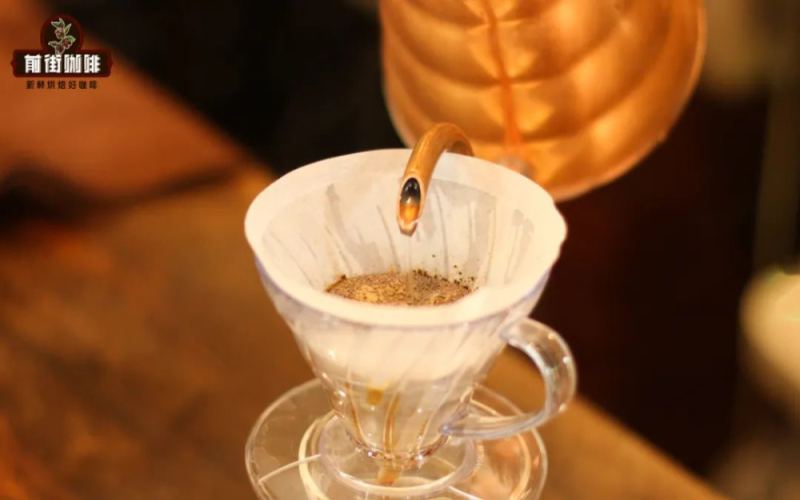
Why Is Pour-Over Coffee Sour, Astringent, or Bitter? A Complete Guide to Analyzing the Causes and Adjusting Your Technique
Many people think that pour-over coffee has a low barrier to entry, but once they take a sip and find it tastes sour, bitter, or astringent, they realize that brewing a good cup of coffee is actually not easy. Whether you are a beginner just getting into pour-over or an experienced coffee enthusiast, it is inevitable to run into a cup that does not suit your taste. Starting from the principles of extraction, this article analyzes one by one the common reasons why coffee turns out too sour or too bitter, and offers specific adjustment suggestions on grind size, water temperature, coffee-to-water ratio, pouring technique, and dripper selection. It also combines the brewing parameters of two beans—Front Street Coffee Colombia Sidra and Front Street Coffee Golden Mandheling—to help you consistently brew a cup of good coffee at home with balanced acidity and sweetness and a clean mouthfeel. [more…]